Big and Tall Winter Layering: Four Outfit Formulas That Work
Getting the fit right, the three-layer rule and four ready-to-wear formulas: a polished guide to winter dressing for big and tall men that brings presence forward.
6 min read
Layering, Winter’s Best Style Language
No season gives a man’s wardrobe more to work with. Put wool beside flannel, fleece beside tweed, and an outfit stops being merely warm and starts having character. For big and tall men, layering is also a real opportunity: broad shoulders and a strong frame are exactly what a well-cut overcoat or a textured jacket was made to sit on.
For too long, big and tall clothing was treated as a stretched-out copy of smaller sizes. Men’s Wearhouse makes the point in its own guide: what you are looking for is clothing designed for your body and for real life, not a resized afterthought. So let’s begin with the foundation, which is fit, then cover the rules of layering, and finish with four formulas you can put on tomorrow morning.
It All Starts With Fit
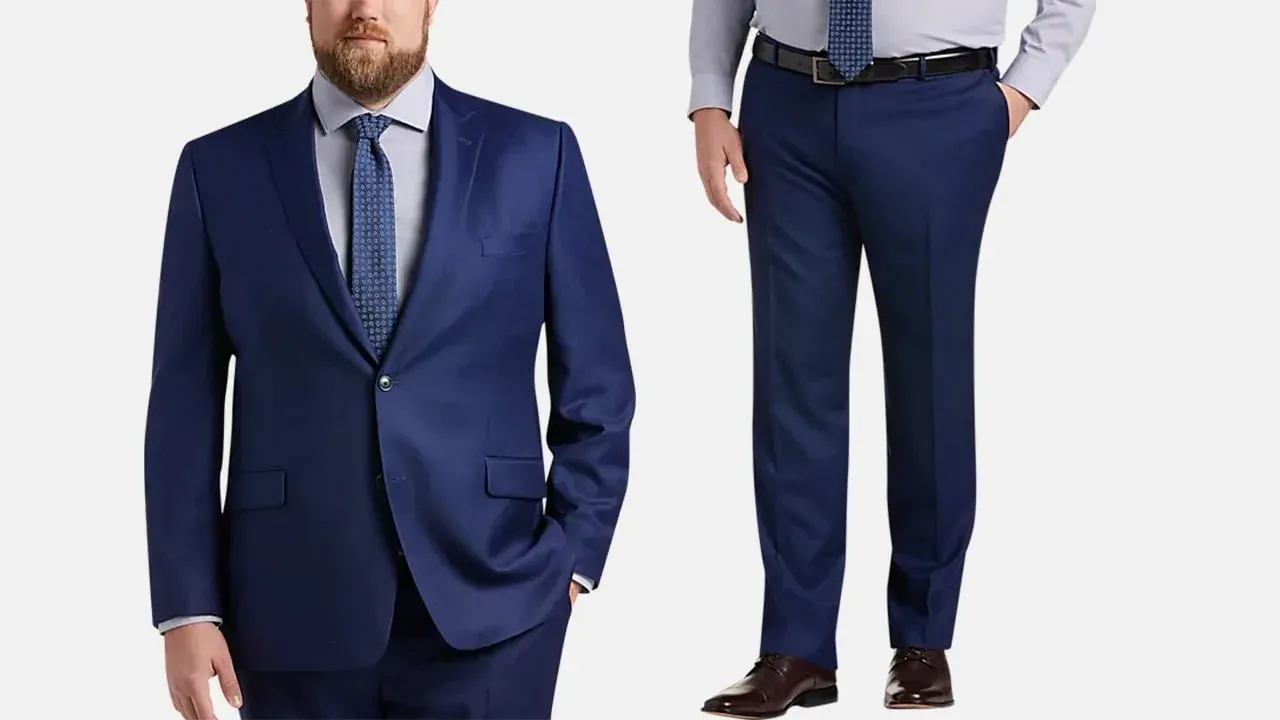
Before fabric or color, fit decides how good a layered look can be. DXL’s winter guide sets a clear starting point: shoulders that sit where they should, sleeves that reach the wrist, and enough room in the chest and seat to sit and walk with ease.
To find your jacket size, Men’s Wearhouse suggests comparing your chest measurement with your over-arm measurement. A jacket that fits should let you move naturally, with no pulling at the shoulder. If you have broad shoulders or a larger chest, the cut the brand calls Athletic may be the one for you.
When you try on a coat, follow one rule: wear the sweater you plan to put under it. If the coat tugs across your back or crowds your upper arms, it has no room for that sweater. Layers should lie smoothly against each other, without bunching at the elbows or collecting at the waist.
With trousers, proportion does the talking. A straight or slightly tapered leg gives a clean line without tightness. A waistband that stays comfortable when you sit, and a leg shape that works with winter footwear, are details you may not notice in the mirror but will feel all day.
Your tailor gets the final word. Adjusting a sleeve, correcting a hem or giving a jacket a little shape can turn an off-the-rack piece into something that is truly yours.
The Three-Layer Rule
Menswear label Oliver Brown and big and tall specialist Jacamo arrive at the same number: three layers, at most. Think top, sweater, coat. Any more tends to feel heavy and costs the outfit its shape.
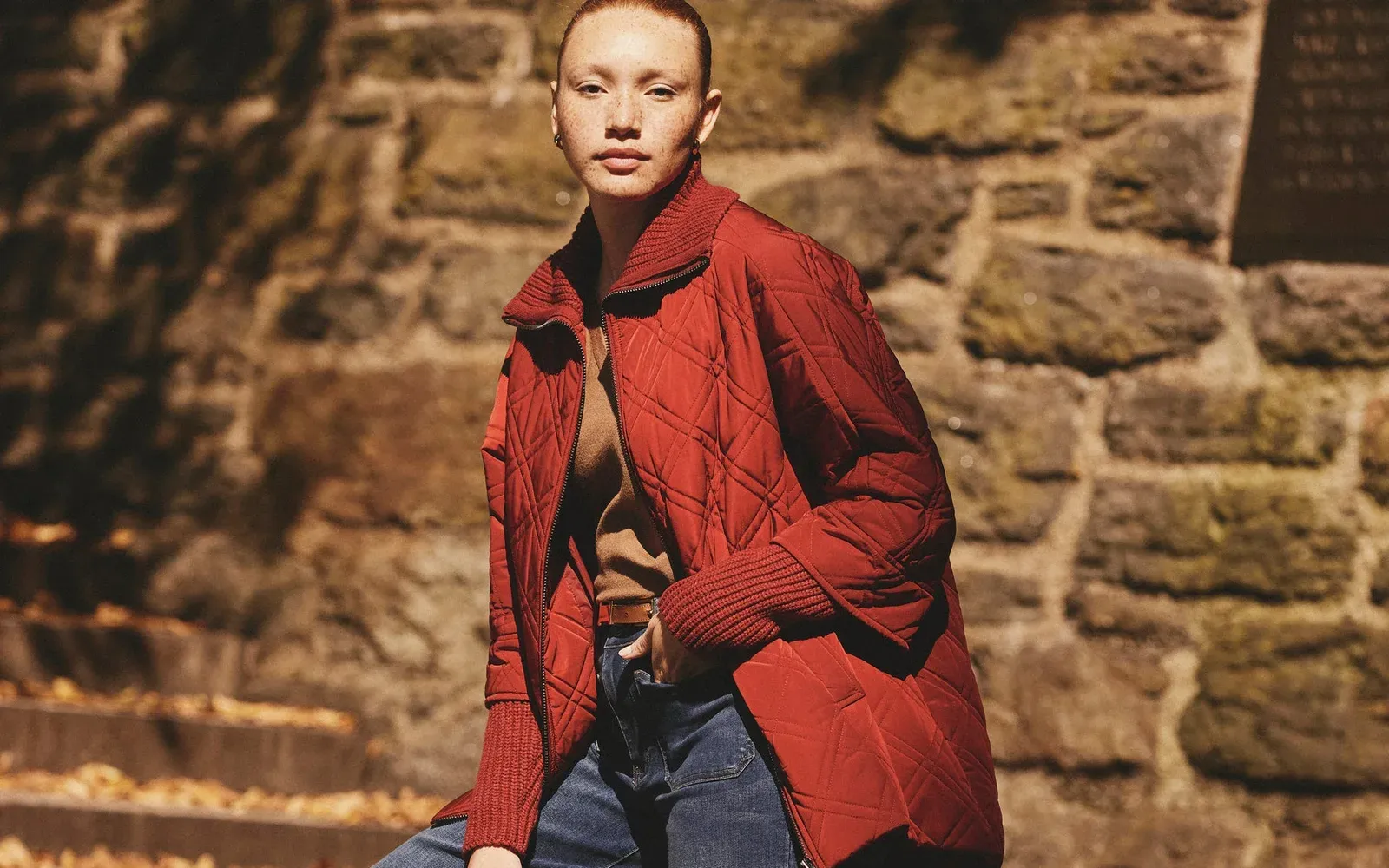
The order is equally straightforward: from thin to thick, working outward. Start with something light and breathable, add a warm mid-layer, and finish with a well-cut outer piece that pulls the look together. If your outer layer is a thick puffer or a quilted coat, lighten what goes underneath, or you will overheat the moment you step indoors.
Jacamo adds an elegant test: each layer should work on its own. When the sweater comes off, the shirt beneath it should still look right with your trousers and shoes, so that a warm office or restaurant never undoes your outfit.
On construction, King Size’s vest guide offers a neat balance: a close-fitting base, then a layer with room through the chest and shoulders. On fabric, DXL notes that fine wool knits sit comfortably under a jacket without much bulk, and that cotton feels familiar against the skin but absorbs moisture and takes time to dry. Brushed flannel brings soft ease and fleece brings relaxed warmth, while a little stretch through the shoulders, waist and sleeves makes every movement easier.
Color and Texture
Navy, charcoal, olive and burgundy. The palette Men’s Wearhouse recommends is timeless and flattering, and it makes a strong winter foundation. Fashion Capital suggests adding richer tones such as burgundy, forest green or mustard to a neutral base. A single accent, like a deep red scarf or a patterned tie, is all the energy a look needs.
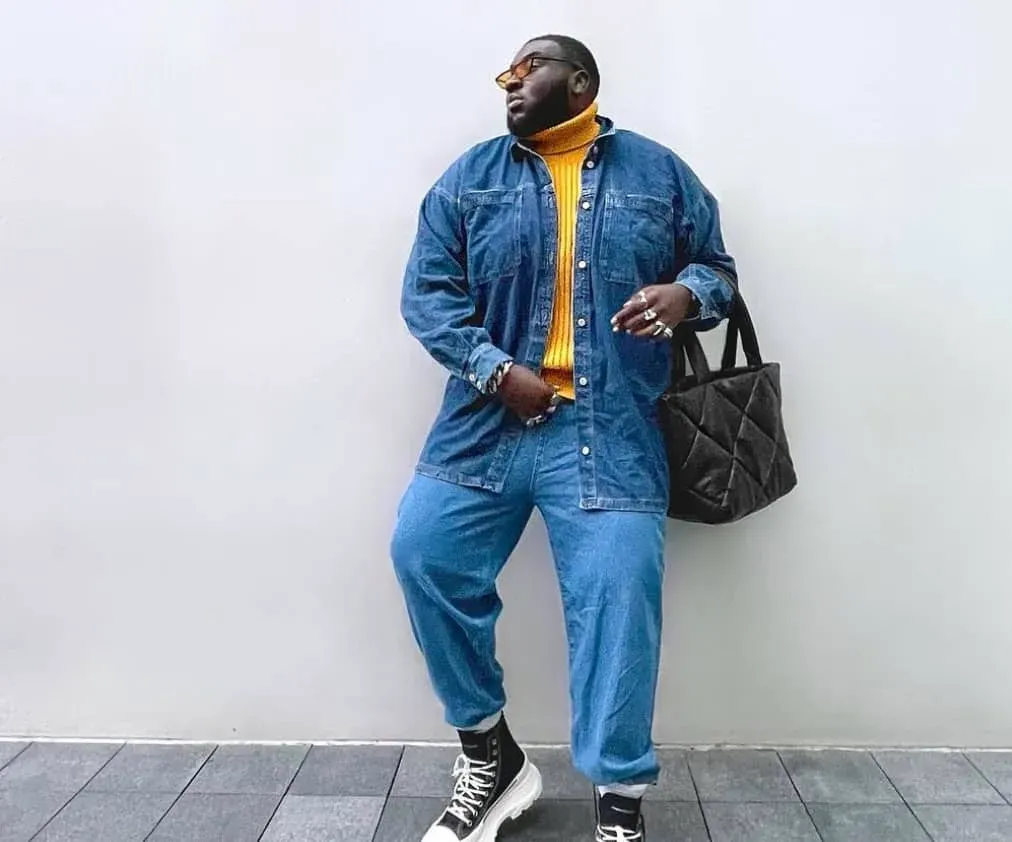
Wearing similar shades together creates a clean, unbroken, modern line from head to toe. As for pattern, one is enough: if the top is patterned, keep the bottom solid. Playing with texture rather than color is the most refined route of all, and Oliver Brown observes that wool, cotton and tweed create depth with no need for a loud print.
Four Ready-Made Formulas
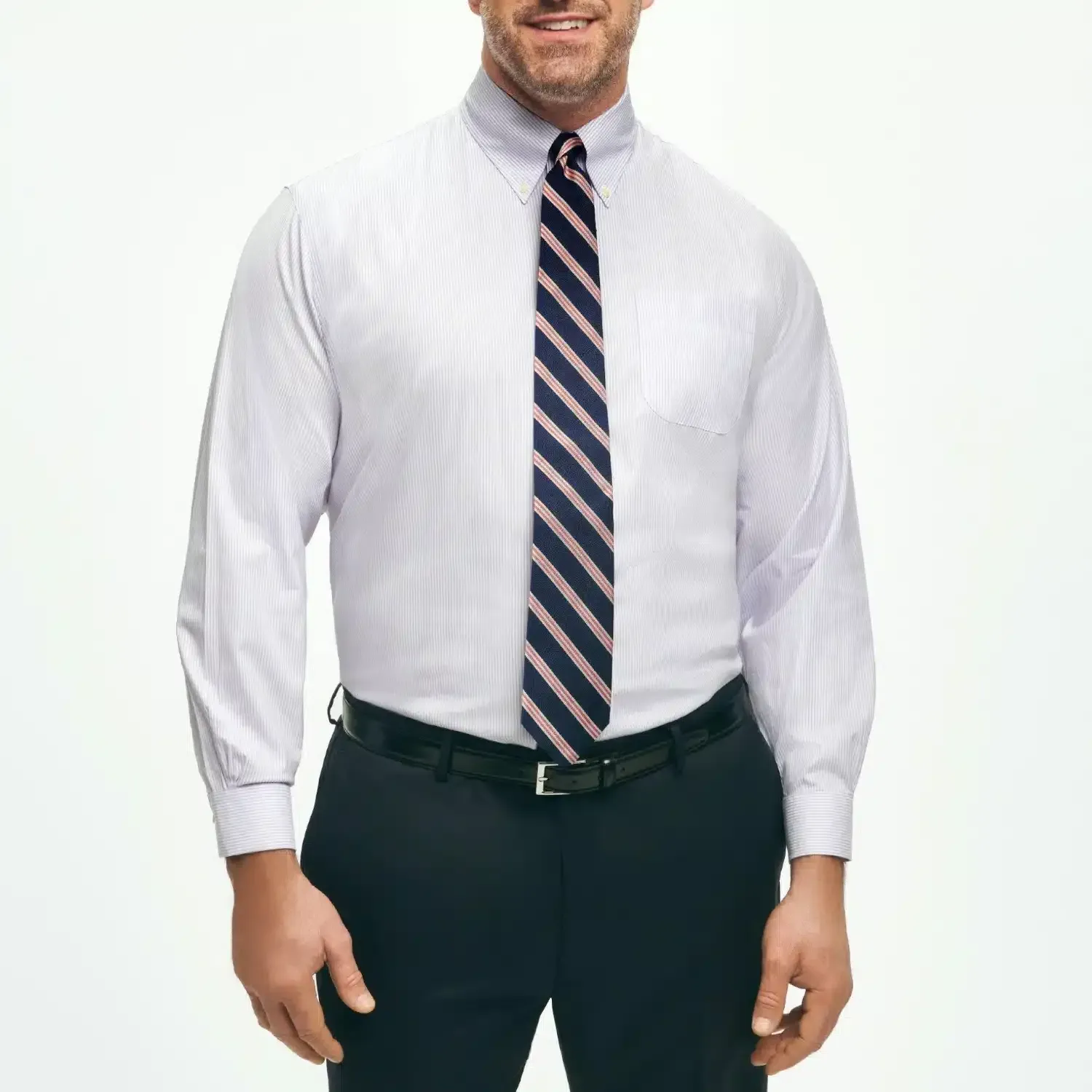
The office commute. A striped stretch Oxford shirt under a fine V-neck sweater, with five-pocket trousers and a belt. Cutter & Buck’s big and tall guide builds this pairing from its Stretch Oxford Stripe shirt, Lakemont V-neck sweater and Voyager 5-Pocket pants. On cold mornings, add a wool overcoat as your third layer and finish with Chelsea boots. In the meeting the coat comes off, and the shirt and sweater hold up perfectly well on their own.
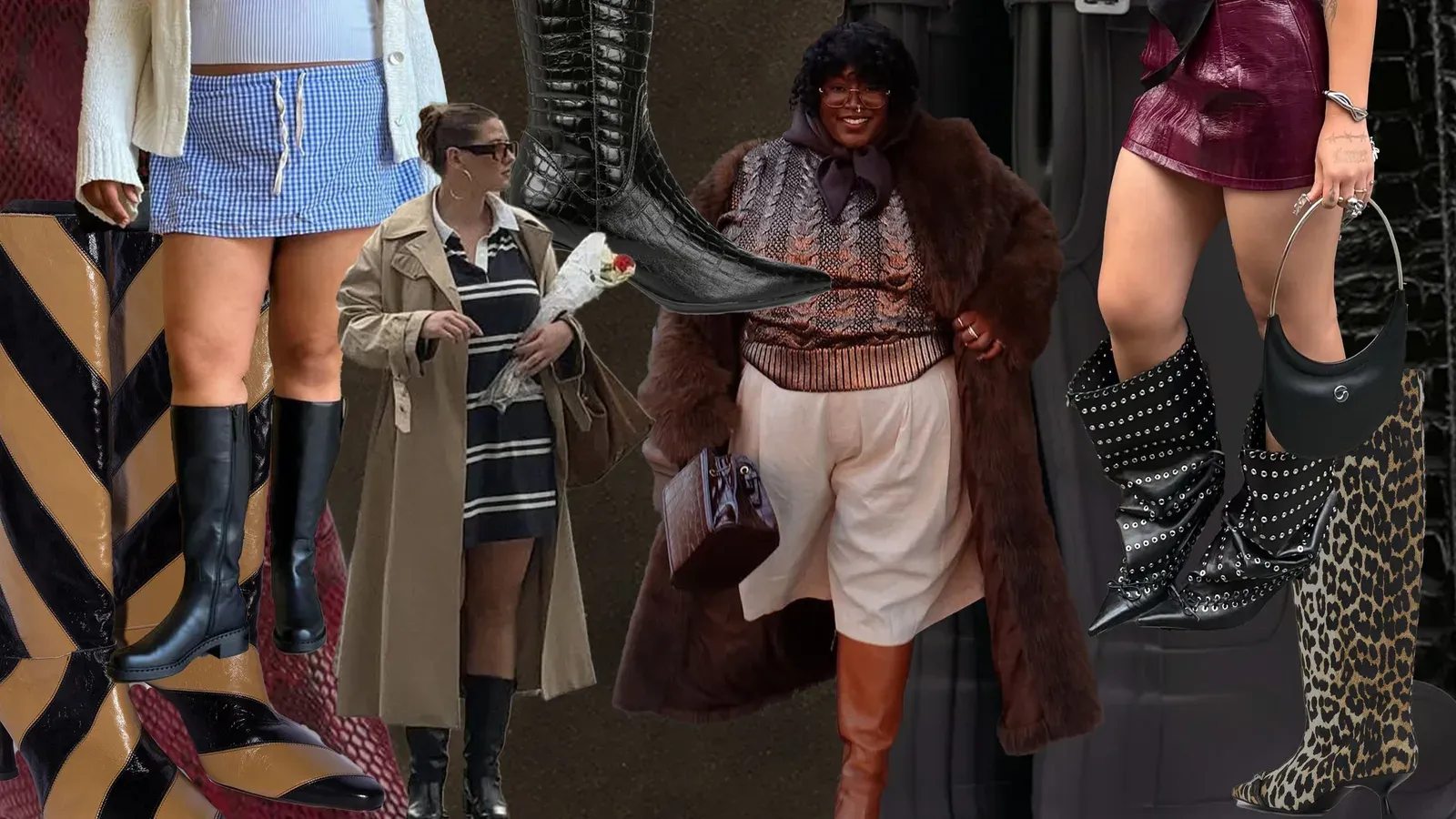
The weekend in town. A light quarter-zip knit beneath a sherpa fleece jacket, with dark-wash jeans. Cutter & Buck’s Adapt Eco Knit and Cascade Eco Sherpa are this idea ready to go. Since the texture is already doing the talking, keep the colors quiet. Lace-up boots ground the look with a relaxed confidence.
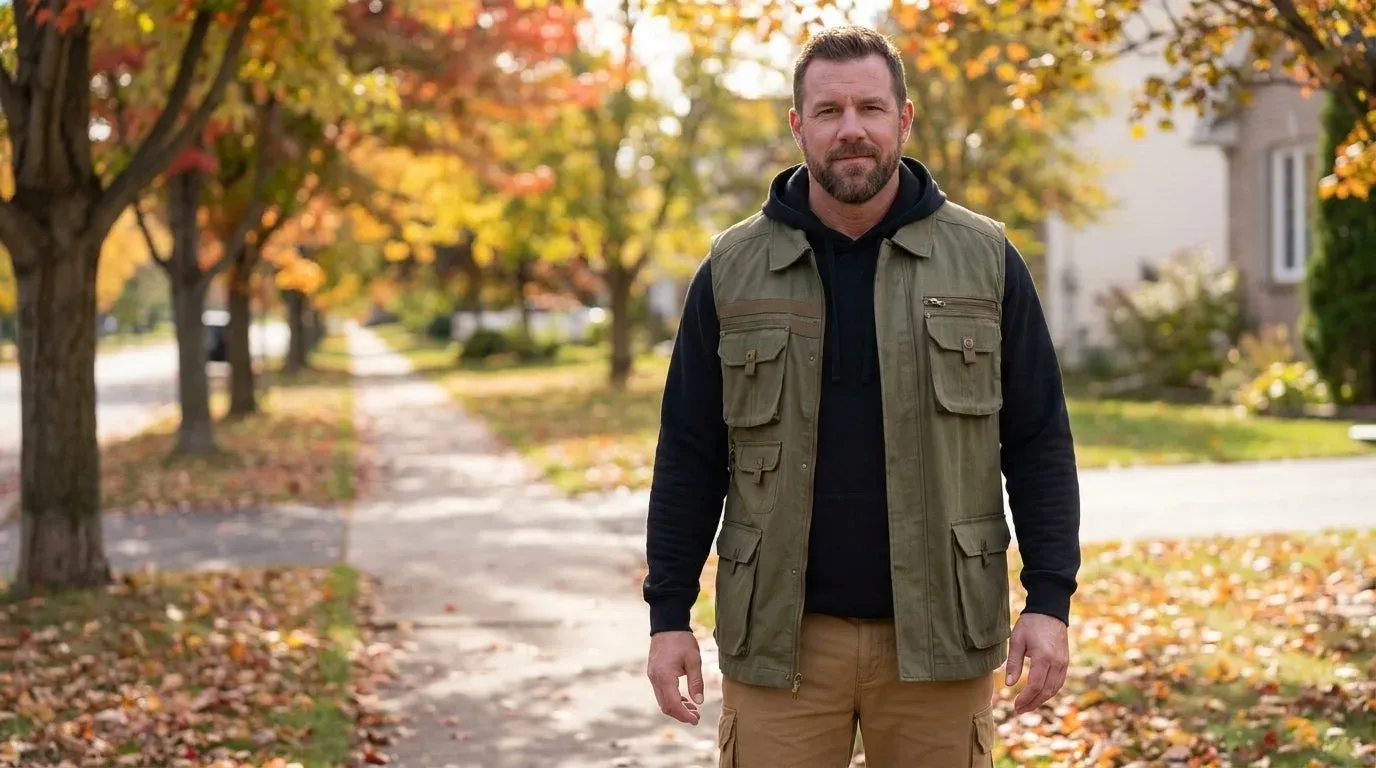
The freezing day. This one comes from King Size: a heavyweight hoodie, a quilted vest over it, and a shell jacket on the outside. The vest warms your core while leaving your arms free, which is a real pleasure when getting in and out of the car or carrying a bag. Choose a vest with enough room for the hoodie through the chest and shoulders. In milder weather, a fleece vest over a flannel shirt with jeans applies the same logic with less weight.
The dinner reservation. A roll-neck knit with a blazer or sport coat over it and chinos below. Jacamo suggests this pairing for the office and winter occasions, and it carries an easy formality without a tie. Add an overcoat for the journey there. Oliver Brown’s evening advice is to finish with a scarf and gloves, and a silk scarf against a dark coat catches the light beautifully.
Choosing Outerwear
Length affects comfort as well as looks. DXL points out that a shorter jacket makes sitting in a car easier, while a longer coat gives you more coverage when walking outside. Jacamo steers you to a longer parka or a shorter, lighter puffer when warmth is the priority, and to an overcoat when you want something smarter. An overcoat works just as well with dark denim and a thin knit as it does with formal trousers and a shirt.
Small details matter more in winter. A smooth lining helps the outer layer glide over a shirt or sweater, and ribbed cuffs help keep drafts from running up your sleeves. If you live somewhere rainy, read the label carefully: DXL reminds shoppers that water-resistant and waterproof are not the same promise.
Style Tip: This winter, try a look built around a single tonal family. Pair charcoal trousers with a fine wool sweater from the same family and a darker overcoat, then bring the accent to your neck with a burgundy scarf. Always try the coat on with the sweater. If the shoulder seam lands right at the edge of your shoulder and nothing pulls across your back, you have found the right piece. Having a tailor set the sleeve length to your wrist is the finishing touch that brings your shoulders and presence forward most clearly.