Winter Lip and Hand Care: A Daily Routine Against Dryness
Lips and hands are the first to tire in cold, dry air. A simple morning-to-night routine drawn from dermatologists' advice.
5 min read
When winter arrives, lips and hands are usually the first to send a message. They are the most exposed to wind, cold and dry indoor air, and they also meet water and soap more often than any other part of you. The good news is that dermatologists’ advice is refreshingly simple. You do not need a long product list, just the right order, the right textures and one or two small habit changes.
This guide draws on the American Academy of Dermatology’s dry-skin advice and on winter tips from Dr. Adam Friedman, professor and chair of dermatology at The George Washington University. The aim is not treatment but an everyday care routine that feels good.
First, why it happens
In winter the air loses moisture, and so does skin. Lips can crack, hands feel tight and flaky. Frequent hand washing, hot water and harsh soap speed the process along. The shared advice from dermatologists is to keep water in the skin, which means applying moisturizer while skin is still damp.
Friedman explains the logic: moisturizers work by sealing in water on damp skin, so cream applied to dry skin does not do as much. That is the single rule behind every step below: apply while damp.
Lips: thick, simple and left alone
Choose a thick barrier. Friedman suggests an ointment or paraffin wax-based lip balm applied to lips that are slightly damp with water. The AAD names lip balm and petroleum jelly and says to pick whatever feels comfortable. If a product stings or tingles, switch.
Stop licking. Saliva breaks down proteins, carbohydrates and fats, which can make dry, cracked lips worse. Keeping a light balm in your pocket rather than at the bottom of your bag is the easiest way to break the habit.
Keep the lineup short. Lip and hand skin is sensitive, and the AAD advises dropping products that sting or irritate. One good balm often does more than a mix of three.
A note for lipstick lovers. A thick balm under a glossy winter lipstick helps color sit more smoothly and adds a layer of care. With matte formulas, apply balm a few minutes ahead and blot the excess with a tissue.
Hands: moisturize right after washing
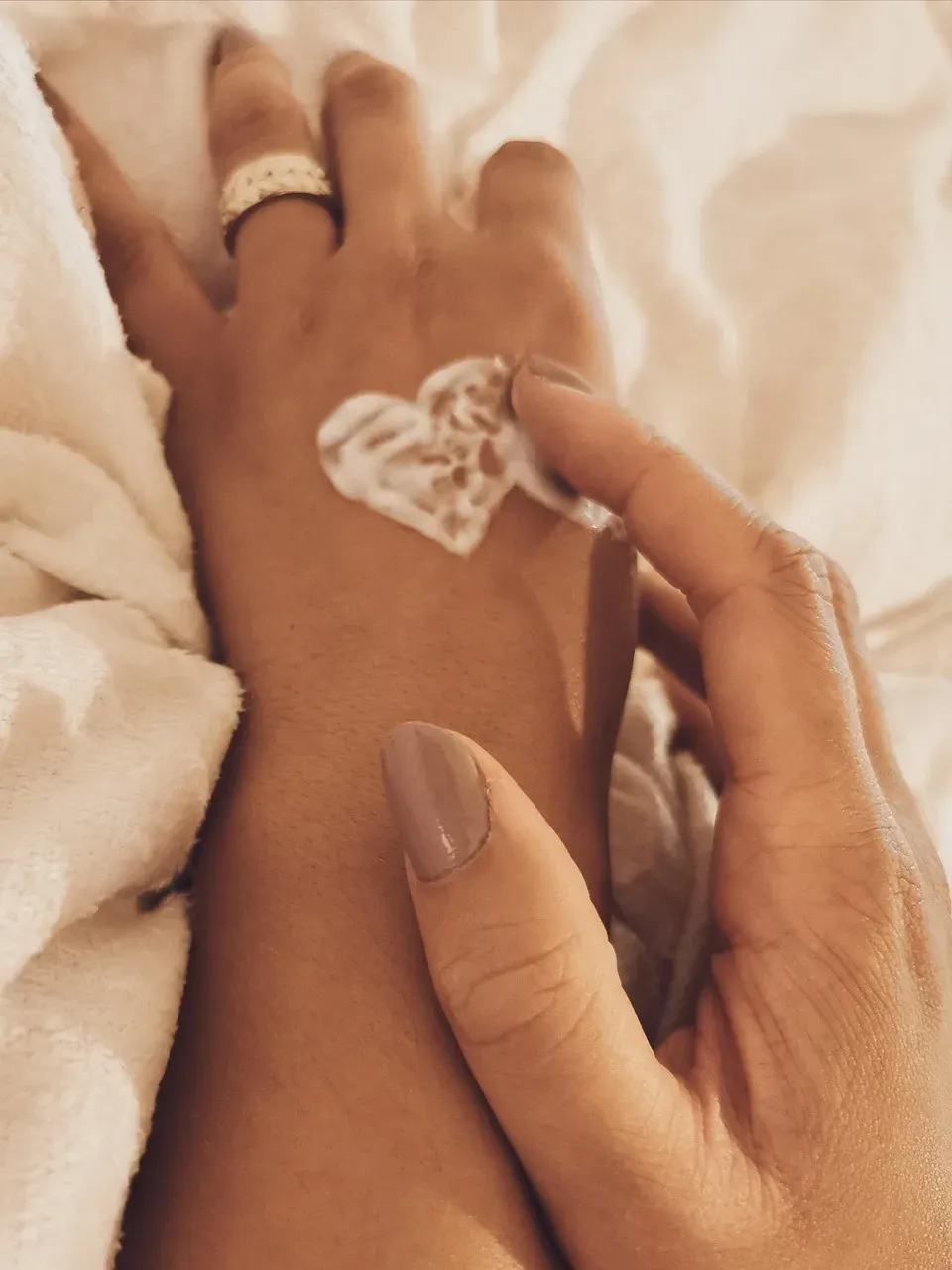
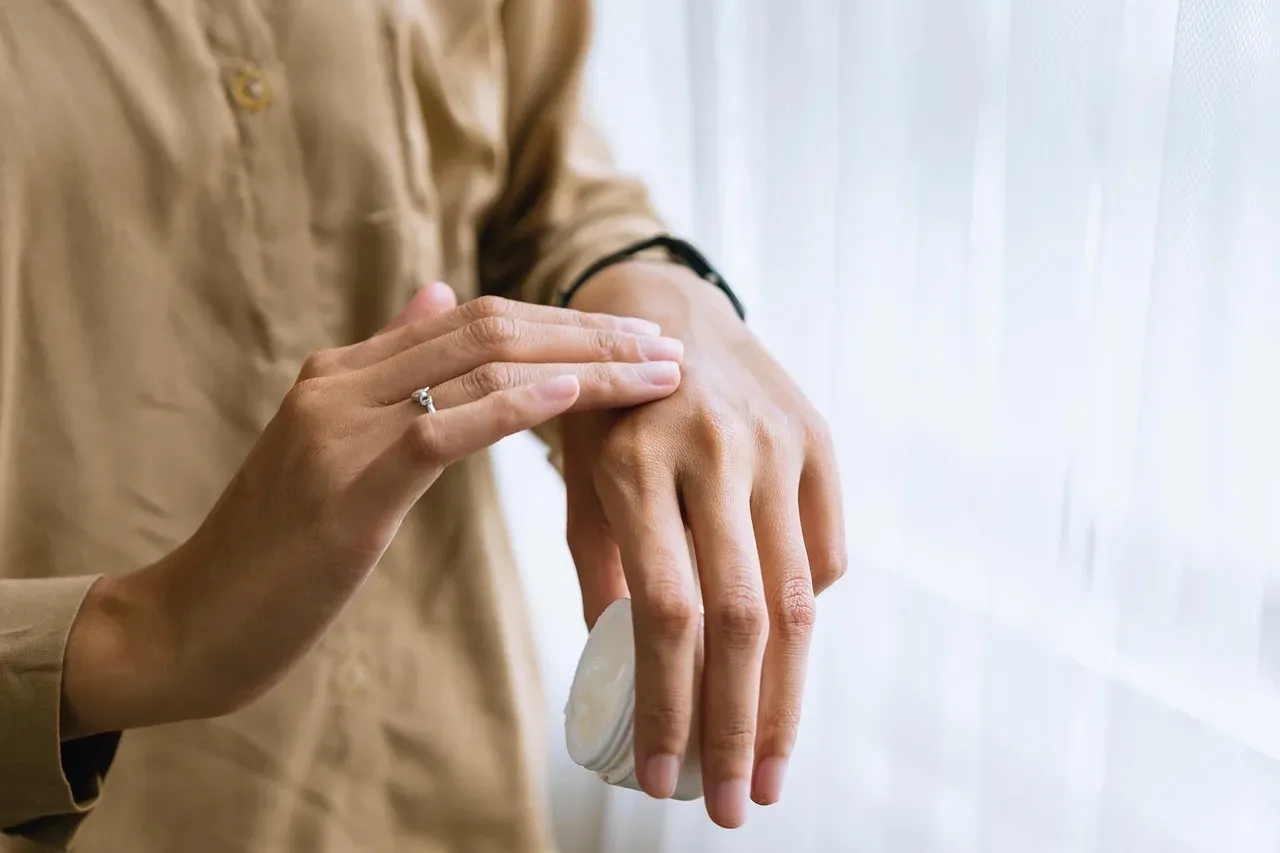
Cream after every wash. The AAD suggests carrying a non-greasy hand cream and applying it after every hand washing. Friedman likewise recommends a cream or ointment on damp skin immediately afterwards.
Read the label. According to Friedman, products containing jojoba oil, dimethicone, glycerin, hyaluronic acid or lactic acid are good candidates for hands. The AAD favors creams or ointments over lotions for dryness and suggests ingredients such as glycerin, petrolatum, shea butter, lanolin, dimethicone or hyaluronic acid. Choose fragrance-free: “unscented” products may contain chemicals that mask odors. Skip products containing alcohol, hand sanitizer aside.
Wear gloves. Wind does not pull water from skin that is already dry, but in cold, dry weather gloves protect your hands. Gloves are also recommended for dishwashing and other long contact with water.
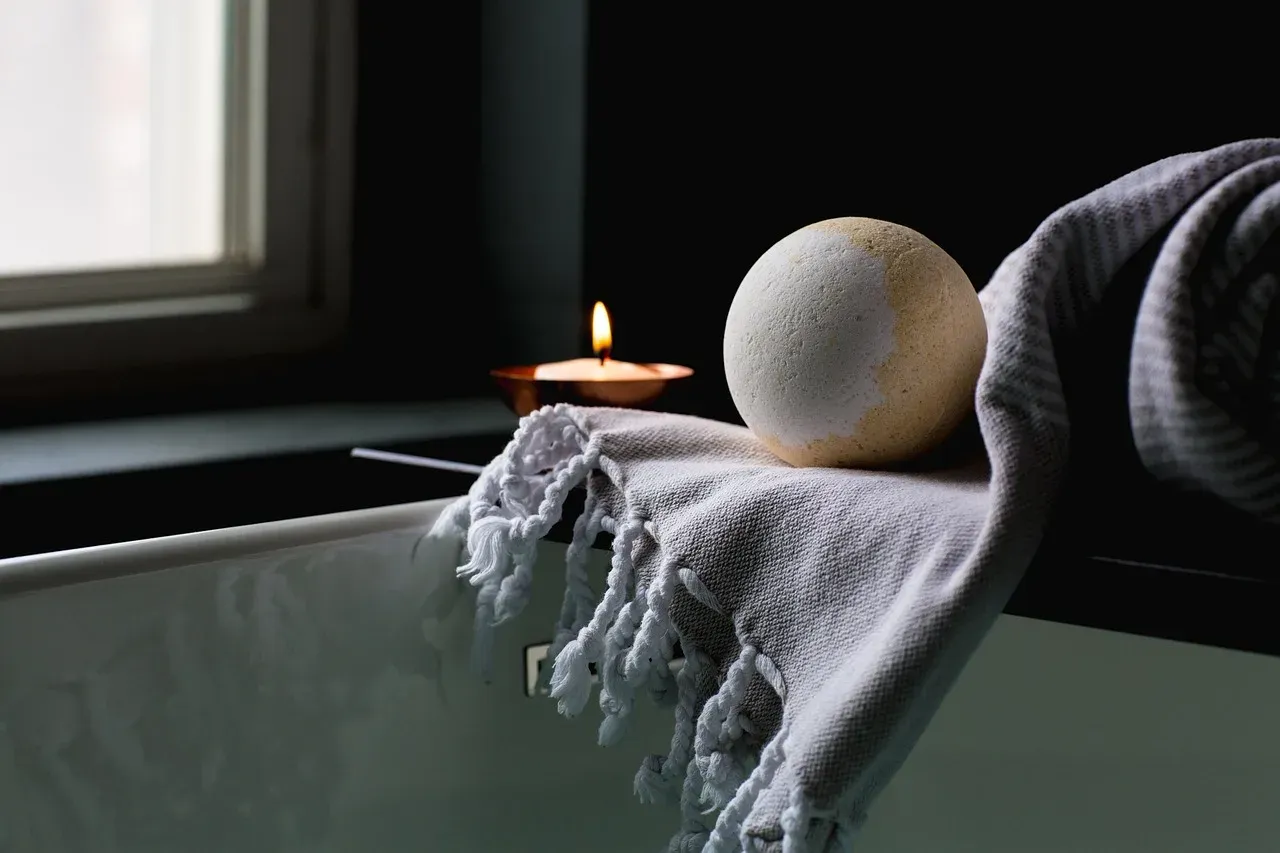
A weekend “soak and seal” ritual. Friedman’s tip: soak hands or feet in plain water for a few minutes, apply moisturizer to damp skin, then cover with cotton gloves or socks for about an hour. It is both soothing and effective, a small home spa moment.
Do not forget your feet
The soak-and-seal idea works for feet too. In the evening, soak them in plain water for a few minutes, apply a thick cream to damp skin and slip on cotton socks. Feet that spend hours inside winter boots deserve as much care as hands, and a small weekend ritual makes up for it easily.
A routine from morning to night
Morning. Keep the shower short. The AAD recommends baths and showers of 5 to 10 minutes in warm, not hot, water, with the bathroom door closed to trap humidity, then patting dry rather than rubbing. Apply moisturizer to body and hands as soon as you step out. On your face, use a moisturizer and a broad-spectrum sunscreen of SPF 30 or higher; the AAD recommends sunscreen year-round on face, neck, ears and hands.
During the day. Cream after every hand wash. Balm for lips. Gloves when you go out.
Evening. When you get home, a slightly thicker layer on lips and hands is a good idea. Running a humidifier in the bedroom reduces moisture loss during sleep; the AAD also reminds you to clean the device regularly.
Common mistakes
- Staying too long in hot water. Hot water strips skin; warm is enough.
- Heavy lather. The AAD suggests using a gentle cleanser in small amounts, only where needed. Friedman also notes that over-washing dries skin.
- Relying on lotion. Light lotions often fall short in winter; creams and ointments add more moisture.
- Constantly trying new products. Fewer products usually mean less irritation.
- Using anti-itch creams on your own. The AAD advises asking a dermatologist first, since many can worsen dryness.
A small kit for your bag
The secret of a winter routine is having products within reach. Put these in your bag: a fragrance-free, non-greasy hand cream; a thick lip balm; a pair of gloves. Leave a second hand cream on your desk or nightstand. When products are close, the routine builds itself.
When to ask an expert
If dryness persists despite these tips, or you notice burning, stinging or irritation, see a dermatologist. The AAD notes that persistent dryness can sometimes signal a skin condition. This article is general care information, not medical advice.
Remember that a beauty routine is not a race. What dermatologists describe is short, consistent steps: cream after washing, a thick balm on lips, gloves in the cold. Keep them up for a few days and you will notice softer lips and hands.
Winter is a good season to give yourself permission to slow down. A warm drink, a soft pair of gloves and two well-chosen products are enough to keep lips and hands comfortable until spring.
Style Tip: Try the soak-and-seal ritual this weekend: soak your hands in plain water for a few minutes, apply a rich cream to damp skin and wear cotton gloves for an hour; then smooth on balm and let your lipstick sit on that soft base.