Big and Tall Men's Shoe and Boot Guide: Width and Last
In winter boots and shoes, width matters as much as length. A guide to measuring, width codes, toe shapes and trying on for the right fit.
5 min read
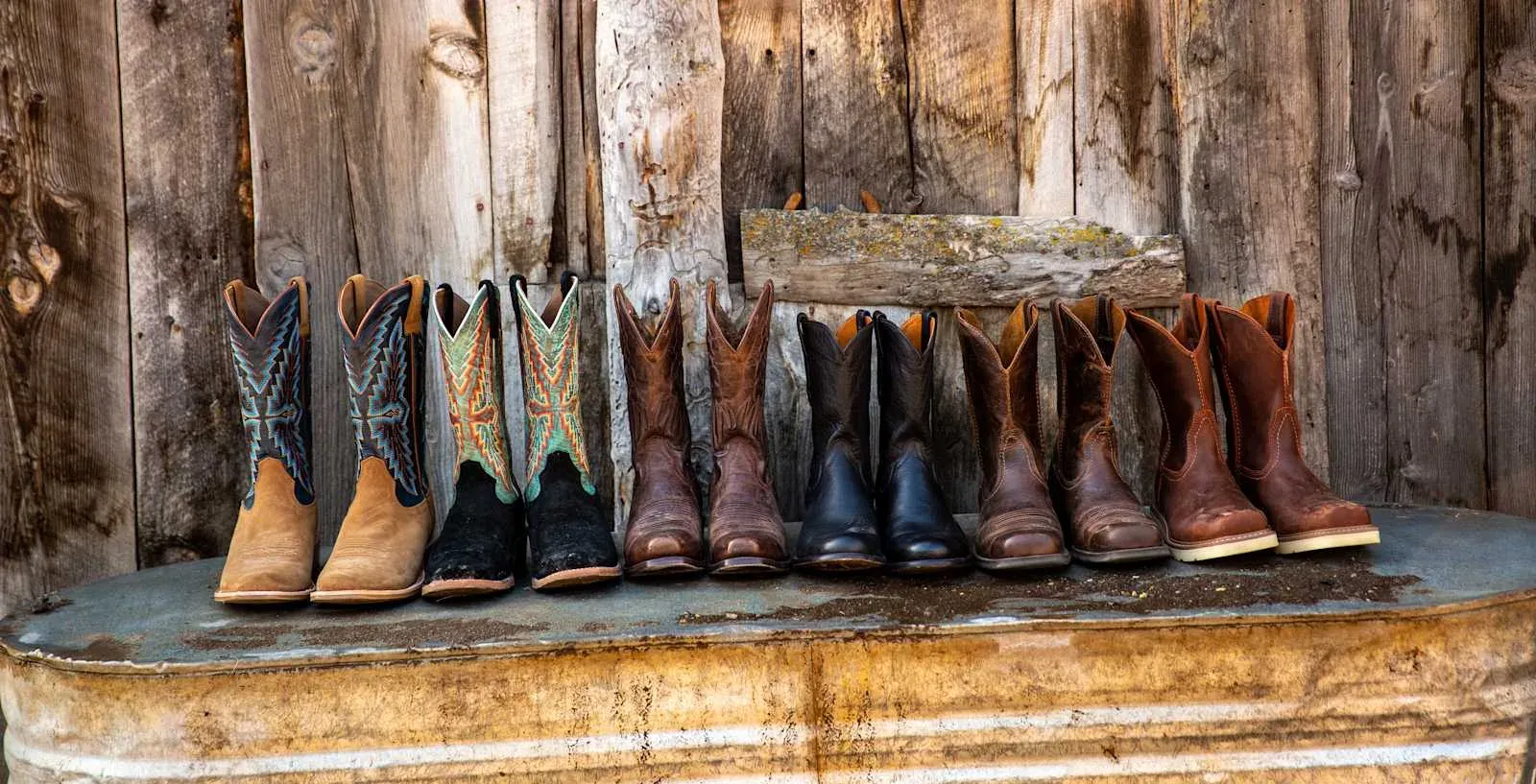
Footwear is the least noticed and most felt part of an outfit. A sharp overcoat, well-fitted trousers and a carefully chosen sweater all fall flat if your feet are squeezed. For our big and tall readers, finding the right winter shoe often comes down to one word: width.
This guide brings together fit advice that footwear makers and retailers publish for wide feet. The sources do not offer a size chart specific to big and tall men, so here we pass on general principles focused on wide feet and a comfortable last.
First, measure properly
Measure both feet and fit the larger one. The Fitville’s advice: measure both feet while standing and fit the larger foot. Measure with the socks you will actually wear, and include any insole or support you use.
Find the widest point. SMI Group, writing about work boots, suggests wrapping a tape measure around the widest part of the foot. It is a good starting point for everyday boots too.
Measure and try on in the afternoon. Feet swell over the day; SMI notes that an afternoon measurement gives a more accurate result. It makes sense to try boots later in the day, in the socks you wear most.
Check the maker’s chart. Size charts are usually on the brand’s website and list foot length in centimetres. If a wide fit is offered, choose it for broader feet.
Read the width codes
According to Ariat, widths run from A (narrowest) to E (widest); common men’s boot options are B, D, E and EE, with E and EE the wide fits. SMI adds that a standard fit may be marked D, while wide fits show E, EE or EEE or say “wide fit” in the product name. Ariat notes that its widest standard work boots are EEEE.
One caveat: width letters vary by brand, gender and region. The Fitville advises confirming that a specific model is explicitly labeled wide or extra wide, and not assuming the standard version has the same internal shape.
Sizing up is not the fix
The most common mistake is going up a size when a shoe pinches. As SMI explains, going up a size adds length, not width, so pressure across the toes and forefoot remains. Wide-fit boots are the same length as standard but have more room in the toe box. The Fitville likewise says not to add length to fix a width problem. If the forefoot fits but the heel is loose, try a different last or a different fastening rather than a shorter shoe.
Why toe shape matters
Ariat describes the toe shapes this way:
- Pointed: the traditional narrow toe, often too tight for larger feet.
- Round: gives toes more room.
- Square: tapers to a flat tip, with slightly more room than round.
- Wide square: the least taper and the most toe room.
If your toes are wide, try a regular D width with a round or square toe first. If your toes are narrow but your midfoot feels tight, try an E or EE with a regular toe. If you love a pointed look, a wider width is usually the better route.
Features that help wide feet
SMI’s list: a low heel, extra depth, a square or round toe box, soft, flexible materials such as soft leather, and adjustable fastenings such as laces or buckles to tune the fit. The Fitville adds instep depth: the tongue and upper should not press down on your foot. Check this when you try shoes on; with thick winter socks the difference is even more noticeable.
What to check when trying on
- Put on both shoes. Seat your heels and fasten them normally.
- Stand, walk, slow down and turn. You are looking for comfortable space and secure movement together.
- Wiggle your toes. Ariat says a boot should be snug but not tight, with no pressure points; you should be able to move your toes without strain on the tips.
- Check toe clearance. Your longest toe should have some room when you stand; if it touches the end or your foot slides, the shoe is not right.
- Where is the widest part? According to The Fitville, the widest part of the shoe should sit under the ball of your foot.
- For boots, heel and calf. For cowboy boots, Ariat considers a heel that lifts about a quarter inch inside normal, with a shaft that hugs the calf without pinching.
Do not count on a painful “break-in.” The Fitville warns that very thick socks, tight laces or extra length used to fix a bad shape can create new pressure and sliding.
Signs of a poor fit
SMI lists blisters, cramped or numb toes, painful pressure points and marks on the skin after wearing. If you order online, check the returns policy and swap a wrong size quickly. If pain, numbness or skin damage persists in every pair, speak to a specialist fitter or a health professional.
How to wear them
Once the last is right, style gets much easier. A comfortable, well-fitting boot balances a winter overcoat, wool trousers and a chunky knit. Dark brown or black leather boots support everyday elegance with jeans and a wool coat, and a simpler winter look with a suit. Toe shape affects the picture too: a square or round toe carries the foot’s natural proportions with ease.
On lace-up boots the lacing decides both fit and look. A lacing that leaves the forefoot relaxed and holds the ankle makes a difference on long walks.
Keep one more thing in mind while shopping: a winter boot is not a one-season piece but something you will wear for years. First-step comfort therefore matters more than the price tag or the day’s trend. A boot with the right last serves you well on long walks and busy days.
A short checklist
- Measure both feet standing, in your usual socks, in the afternoon.
- Confirm the model is explicitly labeled wide.
- Do not size up to gain width.
- Look for a round or square toe, a low heel and soft leather.
- Try on, walk, turn; wiggle your toes.
- Return anything that hurts.
Style Tip: Shop in the afternoon with the winter socks you will really wear; choose the last where your toes breathe and your heel stays put on the first step, and solve width with a model labeled wide, not with a bigger size.