Long-Lasting Make-Up for Winter and Special Occasions
Cold air, hot rooms and long nights. We gather make-up artists' techniques on skin prep, thin layers, powder and lips into a plus-size guide to make-up that stays put.
6 min read

Winter is make-up’s hardest exam. There is bitter air outside and overheated rooms inside, followed by a long dinner and a dance floor that refuses to empty. Skin that looked perfect at seven can tell a different story by midnight.
The good news is that staying power is less about a miracle product than a method. Working make-up artists keep returning to the same points: prepared skin, thin layers, powder placed with intent and a small kit in your bag. These are the techniques that hold a look in place for hours while letting your skin and your features take the spotlight.
Start with the skin
Make-up artist Krista Keehus, speaking to Who What Wear, treats skin as the canvas: without proper moisturising and priming, products neither perform at their best nor last. In other words, prep is not the step before make-up. It is part of it.
For the cold months, celebrity make-up artist Kelli Anne Sewell told Good Morning America that she retires summer formulas in favour of hydrating, long-wearing products with skincare benefits. Mary Greenwell, in her advice to Refinery29, links time spent on skin directly to how long make-up lasts. Her fix for dry skin is a drop of facial oil mixed into moisturiser, which helps foundation and concealer glide on. Oily and combination skin can reach for a mattifying moisturiser instead.
If redness is your concern, Sewell neutralises it with a green colour corrector before foundation.
Thin layers, not one heavy one
The most common mistake is expecting longevity from a thick foundation. The pros say the opposite. Keehus and celebrity make-up artist Kasey Spickard both build coverage with thin layers of cream and powder, so that products look fused with the skin and do not sit on top of it.
Keehus’s personal trick is setting spray between those layers. Misted before, during and after the complexion routine, it keeps skin balanced and stops product clinging to dry patches, which is a real gift when winter air has stripped skin of its comfort.
Greenwell’s approach follows the same logic: a thin foundation, plus creamy concealer only where it is wanted. What you get is skin that still reads as skin.
Give concealer a minute
One of Spickard’s best suggestions is really a lesson in patience. Apply concealer, leave it for at least a minute, then work it out with a dense brush or damp sponge in a tapping motion instead of a sweeping one. The wait lets the formula settle, and you end up needing less powder.
Above all, resist dusting powder straight over fresh concealer. Spickard calls this one of the biggest mistakes people make, because the texture turns gummy and starts to look cakey.
Powder only where it counts
More powder does not mean more wear. Keehus uses a very light amount of loose powder only where make-up tends to crease; on the Who What Wear writer she worked with, that meant under the eyes. Skin stays fresh, never dry or heavy.
For truly long events, Spickard follows powder with a wet setting spray and, once that dries, an aerosol one. Sewell’s reminder is that winter skin often wants only the lightest touch: a blotting powder for dry skin, a shine-controlling powder for combination and oily types.
The blush sandwich
Blush is usually the first colour to fade, which is why Spickard’s “blush sandwich” has become such a favourite. Apply cream blush, then a little powder blush, then a final fine layer of cream. The powder in the middle works as an adhesive, locking colour in.
It is a particularly beautiful technique on fuller cheeks, which carry rich colour and light so generously. Sweep peach, rose or jam shades over the top of the cheek and slightly upward, and watch your whole face come alive.
Eyes: give liner something to grip
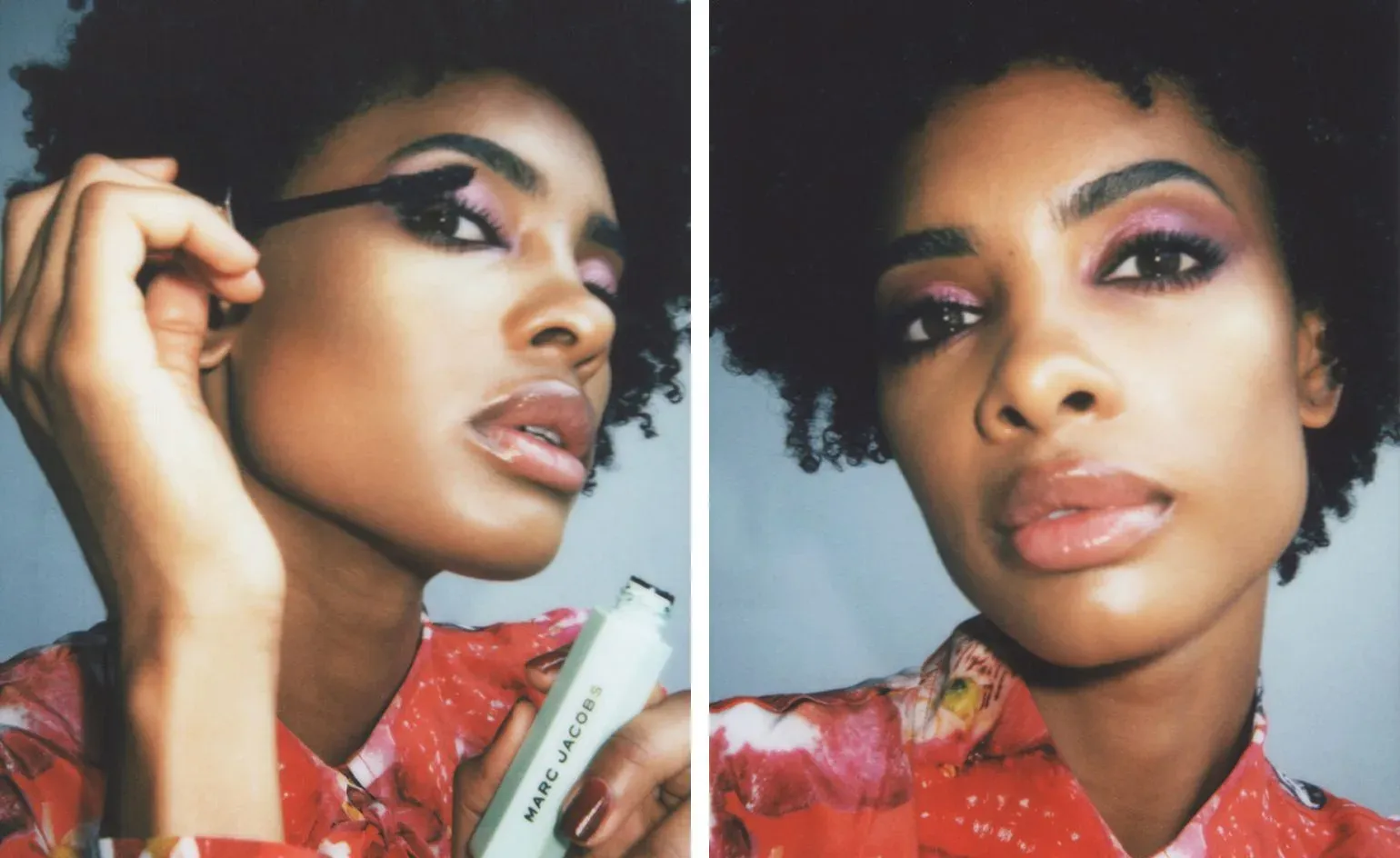
Greenwell’s eyeliner tip is simple and clever: dust a thin layer of translucent or nude powder over the lid first, so that the liner has something to hold. Then press it right into the root of the lashes, where pigment stays put. Let waterproof mascara dry completely before opening your eyes.
Sewell likes to keep eyes simple in winter, starting with a hydrating shadow stick and a waterproof liner. Greenwell prefers shimmer shadow to glitter for evening wear, since it is less likely to crease or transfer to the cheeks.
For one special night, consider what French make-up artist Violette Serrat is championing this winter: treating colour like jewellery. A single stroke of silver or metallic blue on the lid can say far more than an elaborate eye.
Lips: the colour of winter is Bordeaux
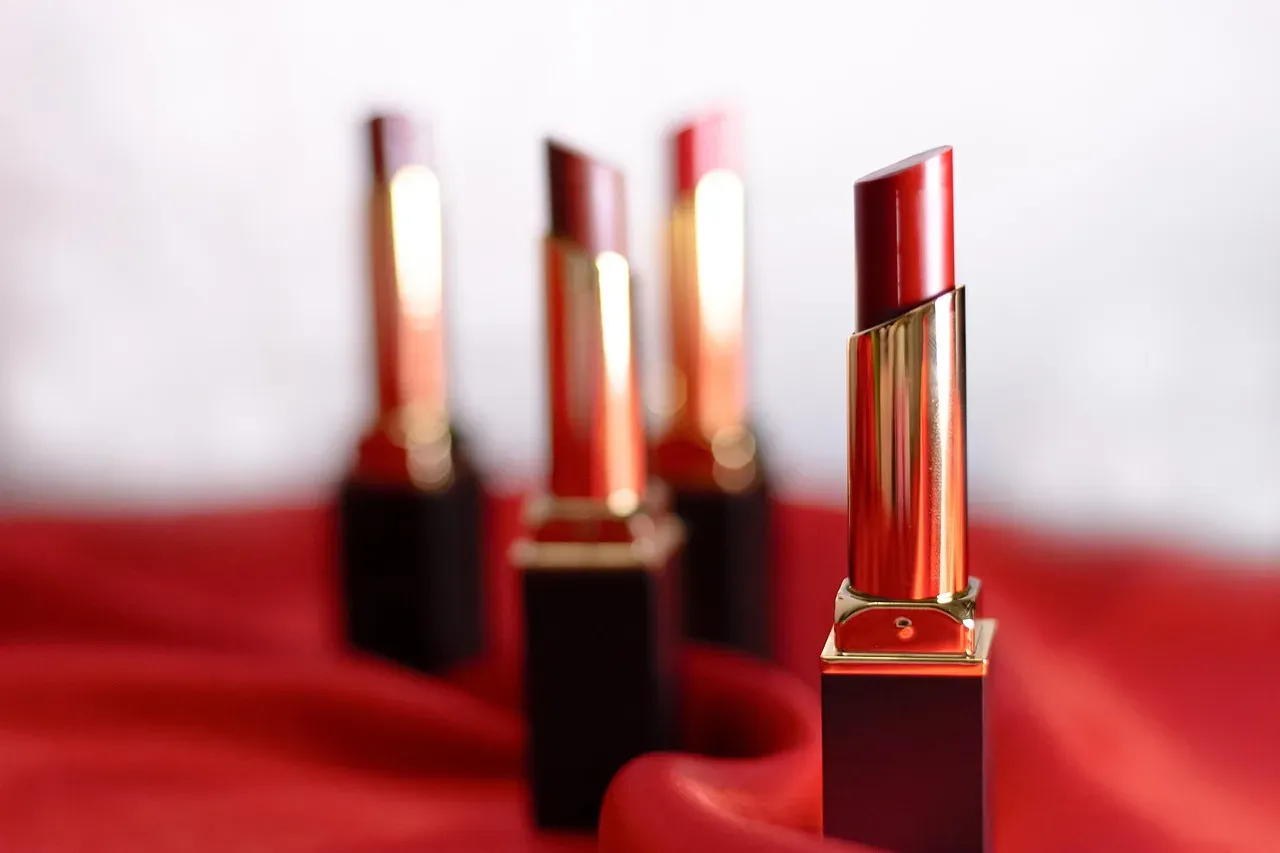
Serrat points to Bordeaux red, black cherry and smoky browns for the season. The appeal is that one shade can tell two stories: dramatic at full intensity, romantic when blurred with a fingertip into a stain. That second approach is wonderfully forgiving on a long evening, because a soft edge never looks as if it has worn away.
For longevity, Greenwell chooses a long-wearing matte lipstick and lines only the outer edge of the lips. A moisturising balm from your bag, dabbed on and pressed together, revives the colour through the night. Sewell’s prep trick pays off here too: wear a lip mask while you do your face and eyes, then wipe it away before applying colour.
Don’t forget neck and décolletage
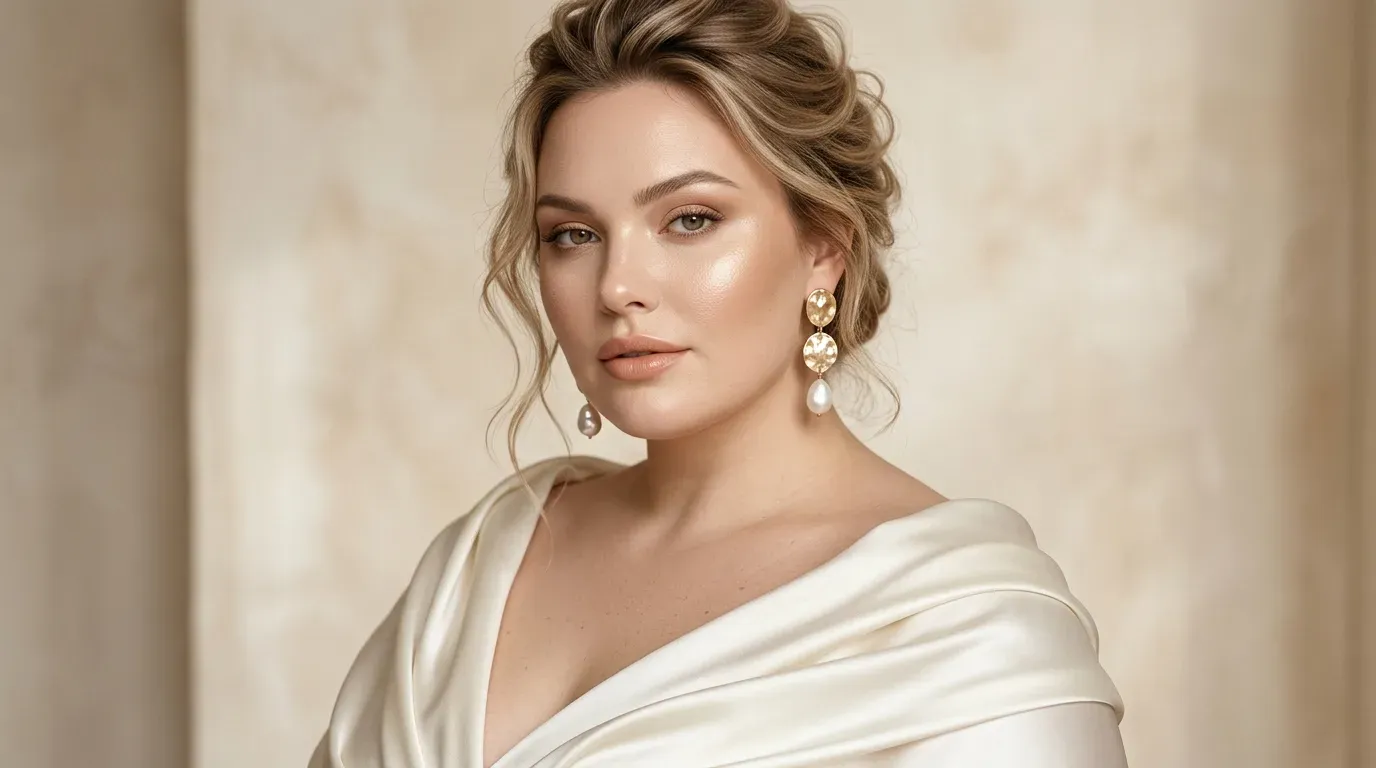
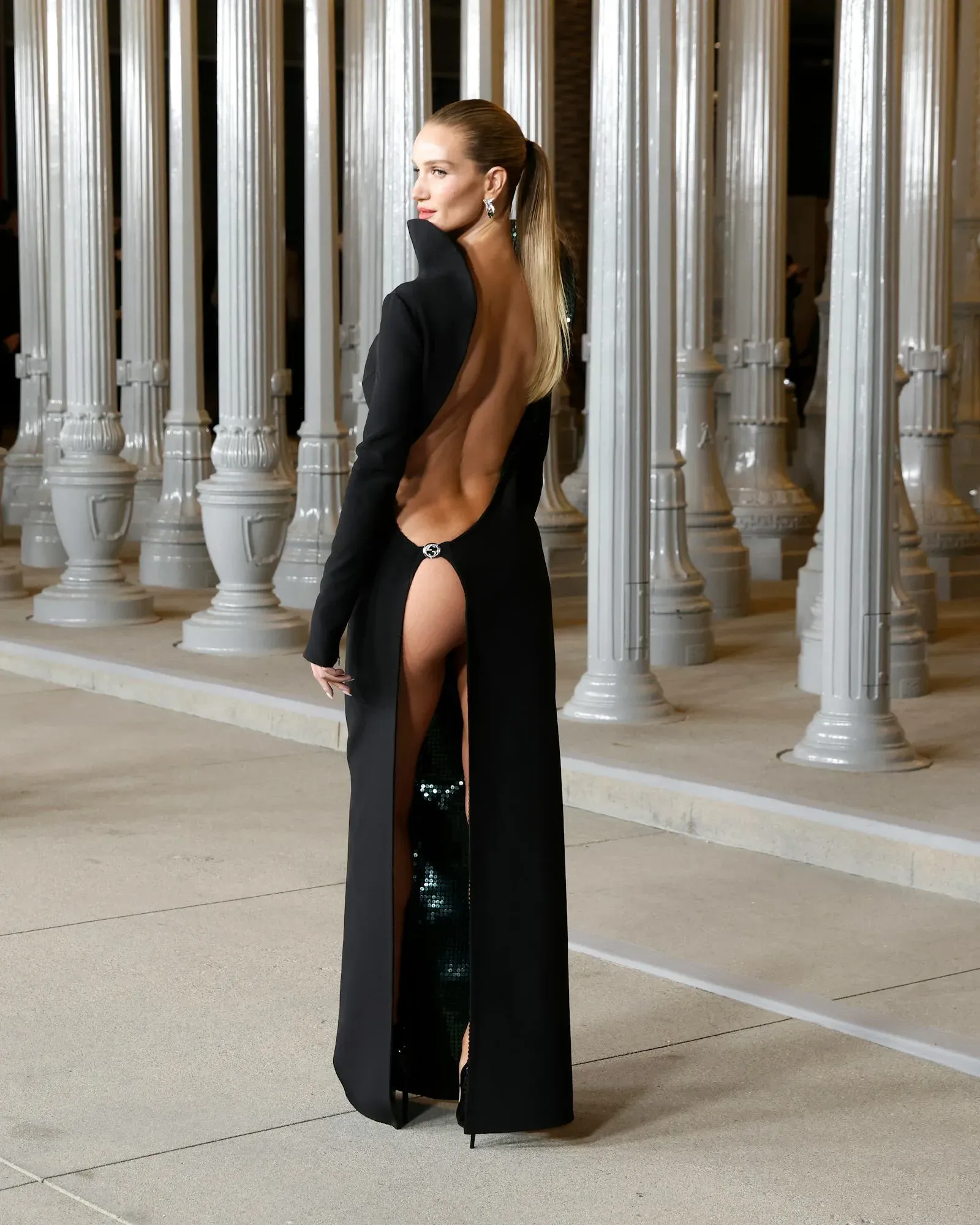
On evening-gown nights, make-up does not stop at the jawline. Your neck, shoulders and décolletage are part of the look, especially in an open neckline. Blend foundation softly under the jaw and into the start of the neck, so face and body read as one continuous skin. A little highlighter on the collarbones and the tops of the shoulders will flatter the décolletage beautifully under evening light. Give any product time to dry fully where it might touch your dress.
A small rescue kit
Spickard and Keehus both recommend carrying a small touch-up kit, and it need not be elaborate: lip liner, lipstick or balm, blotting papers and a mini powder puff already loaded with loose powder.
Lift any oil with a blotting paper first, then gently press the puff into the T-zone and under the eyes. Spickard’s warning is worth remembering: layering cream over powder-set make-up is what creates a cakey finish. Limit your refresh to powder, lips and brows for the cleanest result.
Style Tip: On New Year’s Eve, pick a single hero. Choose a Bordeaux lip and luminous skin, keep eyes to mascara and a fine dark-brown line at the lash root, and tuck a matching lip pencil and balm into your bag so you can bring the colour back in a single move at midnight.